Choosing the right cemetery in Kuala Lumpur is one of the most emotionally and practically significant decisions a family can face. In a busy and culturally diverse city like KL, families often need to make this decision while managing grief, traditions, budget, and practical concerns at the same time. That is why understanding your options before committing is so important.
If you are searching for the right cemetery in Kuala Lumpur, you are likely looking for more than just a burial site. You want a place that is respectful, accessible, well-managed, and aligned with your family’s religious or cultural needs. From location and maintenance to legal matters and long-term value, there are several important factors to consider.
In this guide, we will cover 5 things to know before choosing a cemetery in Kuala Lumpur, helping families in Malaysia make a more informed and confident decision during a difficult time.
Key Takeaways
- Choosing a cemetery in Kuala Lumpur requires careful consideration of religious and cultural requirements, as not all cemeteries cater to every community.
- Location and accessibility matter for long-term family visits, especially during Qing Ming and other culturally significant occasions.
- Understanding the full cost structure, including perpetual vs. temporary burial rights and additional fees to prevents unexpected financial stress later.
- A well-maintained cemetery with proper facilities reflects the long-term dignity and care your loved one deserves.
- Selecting a cemetery connected to experienced funeral service providers in KL simplifies the entire arrangement process.
- Pre-planning burial arrangements is a practical and loving step that protects your family from making difficult decisions under grief.
Why Choosing the Right Cemetery in Kuala Lumpur Matters
Kuala Lumpur is home to many burial options, including public cemeteries, private memorial parks, and religious burial grounds. Each comes with different rules, pricing structures, and maintenance standards. Because land is limited in urban areas, burial planning has also become more complex over the years.
When evaluating a cemetery in Kuala Lumpur, families should think beyond immediate availability. It is equally important to assess long-term upkeep, convenience for future visits, and whether the cemetery reflects the dignity and peace your loved one deserves.
Making the right choice now can prevent emotional and financial stress later.
1. Understand the Religious & Cultural Requirements
Malaysia is a multi-racial, multi-religious country, and this is deeply reflected in how burials are carried out across Kuala Lumpur. Before selecting a cemetery, you must first understand the religious and cultural traditions your family observes, as not all cemeteries in KL cater to every community.
Key religious burial guidelines in KL include:
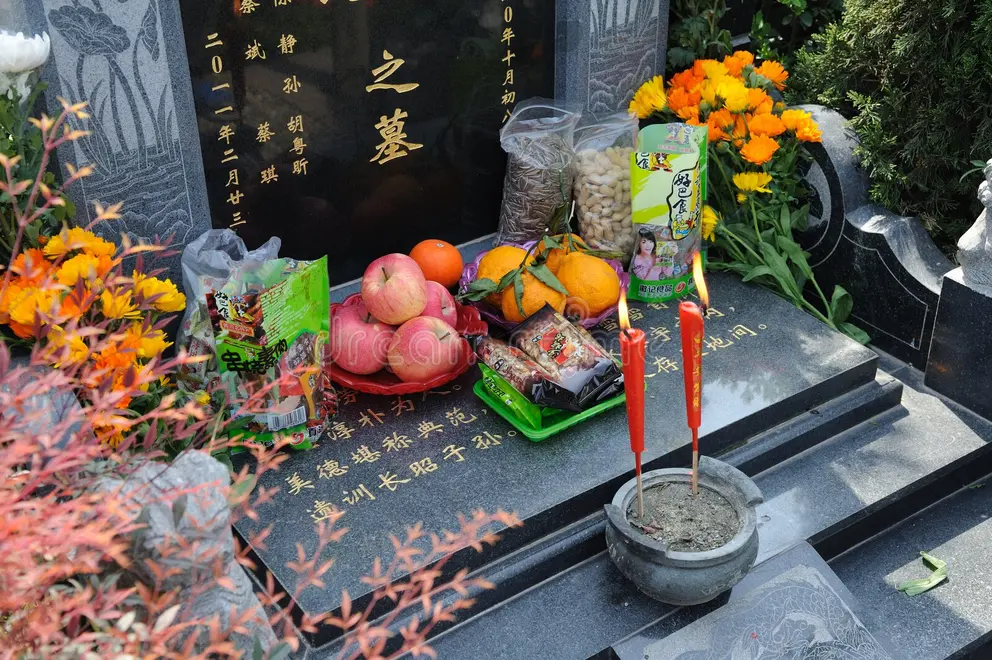
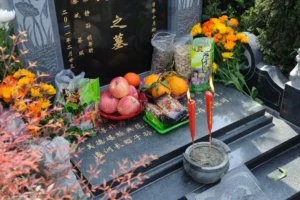
- Chinese (Buddhist/Taoist/Confucian): Chinese families typically observe traditional burial rites and may require specific feng shui considerations when selecting a burial plot. Cemeteries like Kwong Tong Cemetery are among the most established Chinese burial grounds in Kuala Lumpur, with a long history of serving the Chinese community with dignified burial services.
- Muslim: Muslim burials follow Islamic law and must take place in designated Muslim cemeteries. Burials are typically conducted without a coffin and must face the Qibla direction.
- Christian: Christian families may prefer cemetery grounds with access to chapel services or sections designated for Christian burials.
- Hindu and Sikh: Cremation is more common within Hindu traditions, though some may opt for burial in specifically designated sections.
Always confirm that the cemetery you are considering has the appropriate religious infrastructure, including the availability of ritual areas, prayer spaces, and staff familiar with your community’s funeral customs.
2. Location & Accessibility in Kuala Lumpur
When choosing a cemetery in Kuala Lumpur, location matters more than many families initially realise. A burial ground that is too far from the city or difficult to reach can make regular visits especially during Qing Ming, Hari Raya, or other culturally significant periods a burden on your family for generations to come.
Consider the following when evaluating a cemetery’s location:
- Proximity to your home or family base in Kuala Lumpur or the Klang Valley
- Road accessibility and parking facilities, especially during high-traffic festive seasons
- Public transport links for family members who may not drive
- Nearby amenities such as florists, incense shops, or prayer supply stores
Kwong Tong Cemetery, for example, is one of the most well-known and centrally accessible Chinese cemeteries in Kuala Lumpur, making it a practical choice for families who plan to visit regularly. Its established location within the city means it is familiar to most KL residents and easily reachable for both local and outstation family members.
When comparing burial grounds, always visit in person before making your final decision. A physical visit allows you to assess the condition of the grounds, the ease of navigation within the cemetery, and the overall environment.
3. Burial Plot Availability, Pricing & Long-Term Costs
One of the most practical yet often overlooked aspects of choosing a cemetery in Kuala Lumpur is understanding the full cost structure. Cemetery pricing in Malaysia can vary significantly depending on the type of burial, location of the plot, and the cemetery’s policies on long-term plot leasing.
Here is what you should ask about before committing:
Burial Plot Costs:
- What is the price of a burial plot in your preferred cemetery?
- Are prices fixed, or do they vary based on the plot’s location within the cemetery (e.g., elevated ground, shaded areas, or feng shui-favoured sections)?
Perpetual vs. Temporary Burial Rights:
- Some cemeteries in Malaysia offer perpetual burial rights, meaning the plot belongs to your family indefinitely. Others operate on a fixed-term lease (typically 20–30 years), after which remains may be exhumed and cremated.
- It is essential to clarify this upfront to avoid unexpected distress for future generations.
Additional Fees to Consider:
- Interment fees
- Tombstone and monument installation fees
- Annual maintenance or grass-cutting fees
- Permit and administrative fees
Pre-Need Planning: Families who pre-plan burial arrangements can often lock in current pricing and avoid the emotional and financial stress of last-minute decisions. Many families in Kuala Lumpur are now opting for pre-need burial planning as part of responsible estate preparation.
4. Cemetery Facilities & Maintenance Standards
The standard of upkeep at a cemetery directly reflects the respect shown to those interred there and to the families who visit. Before choosing a cemetery in Kuala Lumpur, take time to evaluate the quality of facilities and the level of ongoing maintenance.
Key facilities to look out for:
- Proper drainage and landscaping — cemeteries in Kuala Lumpur’s tropical climate must be well-maintained to prevent flooding and overgrowth
- Clear plot numbering and maps — making it easy to locate gravesites during visits
- Ablution and prayer facilities — especially important for Muslim and Hindu families
- Security and lighting — a well-secured and lit cemetery provides peace of mind for visiting families
- Clean and accessible pathways — important for elderly family members or those with mobility challenges
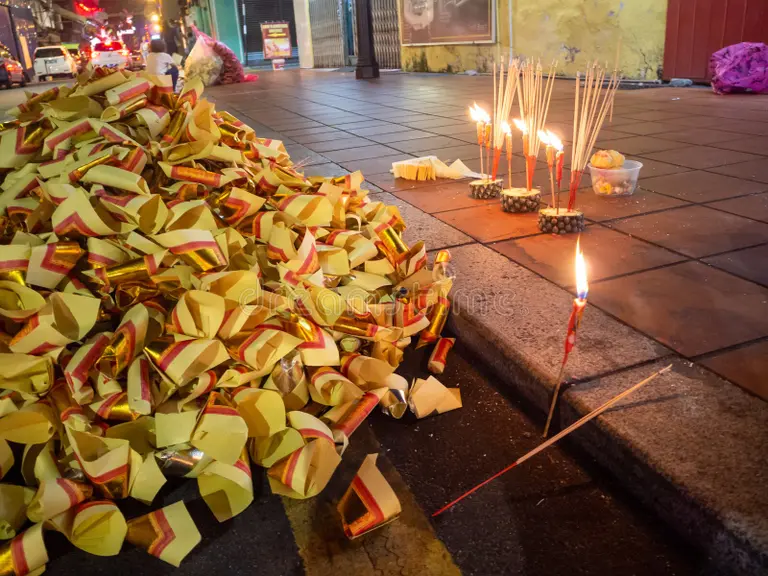
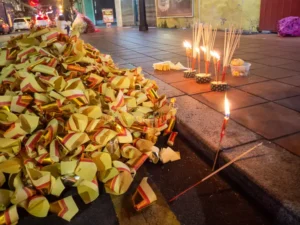
- Waste and incense management areas — particularly relevant for Chinese cemeteries, where offerings and joss paper burning are part of memorial rituals
A well-maintained cemetery signals that the management is committed to the long-term dignity of the site, something every family deserves when honouring their loved ones.
5. Availability of Funeral Support Services
Choosing a cemetery is rarely a standalone decision; it is typically part of a broader funeral arrangement that includes transportation, embalming, wake services, and official documentation. Selecting a cemetery that works alongside experienced funeral service providers in Kuala Lumpur can significantly ease the burden on grieving families.
When evaluating your options, consider whether the cemetery is:
- Affiliated with or recommended by licensed funeral service providers in KL
- Able to coordinate directly with hospitals for body release and transport
- Familiar with the paperwork required by Malaysian authorities, including death certificates and burial permits
- Equipped to assist multicultural or multiracial families where different religious rites may be required
It is also worth asking whether the cemetery offers:
- Cremation services or partnerships with nearby crematoriums
- Exhumation and re-interment services for families relocating remains
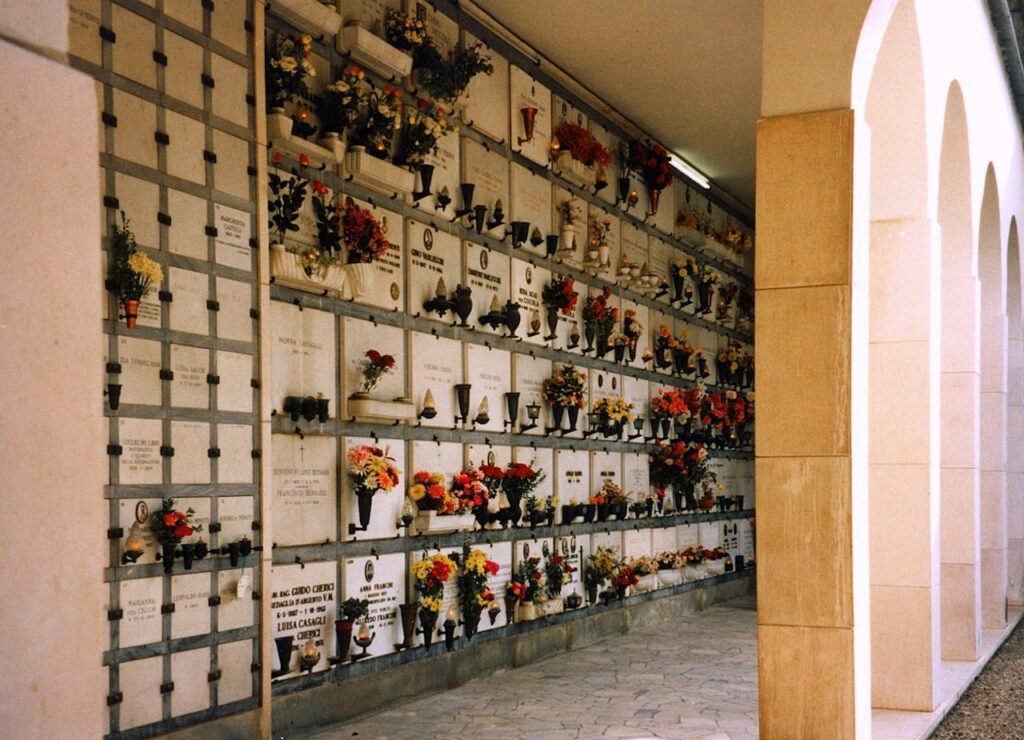
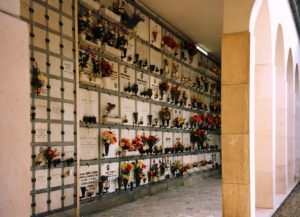
- Columbarium options for families who prefer ash niches over traditional burial
Having access to a full range of funeral and burial services in one place reduces the need to coordinate with multiple parties during an already overwhelming time.
Additional Tips for Choosing the Best Cemetery in Kuala Lumpur
Beyond the five essential factors above, there are a few extra tips that can help families make the best decision:
Visit the Cemetery in Person
Photos and online information can be useful, but nothing replaces an in-person visit. Walking through the grounds allows you to assess cleanliness, accessibility, and atmosphere for yourself.
Compare Several Options
Do not rush into choosing the first cemetery available. Compare different cemeteries in Kuala Lumpur based on location, cost, management, and suitability for your family’s customs.
Think Long Term
A cemetery is a permanent or long-term decision. Consider how the site will serve your family years from now, not just during the immediate funeral arrangement process.
Conclusion: Make an Informed Choice for Your Loved One
Choosing the right cemetery in Kuala Lumpur is one of the most meaningful decisions a family will ever make. It is a choice that goes far beyond practicality. It is about honouring a life, preserving cultural and religious traditions, and creating a place where future generations can come to remember and pay their respects.
By considering religious and cultural requirements, location and accessibility, plot costs and burial rights, facility standards, and the availability of funeral support services, families in Kuala Lumpur can make a well-informed decision that brings comfort rather than regret.
Pre-planning is not a morbid act; it is a loving one. Give your family the gift of clarity, and ensure your loved one receives the dignified farewell they deserve.
Frequently Asked Questions (FAQ)
What is the most well-known Chinese cemetery in Kuala Lumpur?
Kwong Tong Cemetery is one of the oldest and most established Chinese burial grounds in Kuala Lumpur, serving the community for many decades with culturally respectful burial services.
How much does a burial plot cost in Kuala Lumpur?
Burial plot prices in KL vary depending on the cemetery, plot location, and burial rights (perpetual vs. fixed-term). It is advisable to contact individual cemeteries directly for current pricing and availability.
What documents are needed for burial in Malaysia?
Families will typically require a death certificate, a burial permit, and supporting identity documents. These are coordinated through the National Registration Department (JPN) and the relevant local authority (e.g., DBKL for Kuala Lumpur).
What is the difference between perpetual and temporary burial rights?
Perpetual burial rights allow a family to retain the plot indefinitely. Temporary rights, commonly a 20 to 30-year lease, mean that remains may be exhumed at the end of the term. Always confirm which applies before purchasing a burial plot.
Can non-residents be buried in a Kuala Lumpur cemetery?
This depends on the specific cemetery’s policies. Some cemeteries accept non-residents, while others prioritise local community members. It is best to enquire directly with the cemetery management.