The Qingming Festival in Malaysia, also known as Tomb Sweeping Day, is one of the most important traditional observances among Chinese Malaysians. It usually falls on the 4th or 5th of April each year, depending on the lunar calendar. For Qing Ming 2026, it will fall on Sunday, 5 April 2026.
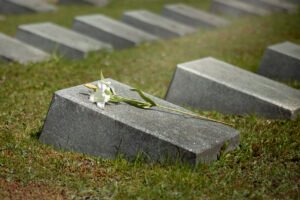
During Qingming Festival in Malaysia, families visit ancestral graves or columbariums to clean burial sites, offer prayers, and pay respects to deceased loved ones. While the festival originates from China, it has been deeply rooted in Malaysian Chinese culture for generations.
In Malaysia’s multicultural society, Qingming remains a significant occasion that reflects filial piety (孝顺), remembrance, gratitude, and family unity. For many families in Kuala Lumpur, Petaling Jaya, Selangor, and across the country, it is both a spiritual and cultural responsibility.
Understanding the proper practices, etiquette, and taboos ensures that Qingming is observed respectfully and meaningfully.
Key Takeaways
- Qingming Festival in Malaysia is a time for Chinese Malaysian families to honor ancestors through grave visits, prayers, and offerings.
- Common Qingming practices include cleaning graves, offering food and incense, and gathering with family.
- The festival symbolizes filial piety, remembrance, family unity, and respect for heritage.
- Important etiquette includes dressing modestly, visiting during the day, and avoiding disrespectful behaviour at the cemetery.
- In urban areas such as Kuala Lumpur and Selangor, more families now observe Qingming at columbariums due to changing memorial practices.
What Does Qingming Symbolize?
The term “Qingming” (清明) means “clear and bright.” It marks a seasonal change in early April, symbolising clarity, renewal, and fresh beginnings.
However, beyond its literal meaning, Qingming Festival symbolizes:
-
- Respect for ancestors
- Continuity of family lineage
- Reflection on heritage
- Renewal of family bonds
Although Qingming falls in spring in China, in Malaysia it occurs during a warm period of the year. Despite the climate difference, the symbolic meaning of renewal and remembrance remains central.
Cultural and Spiritual Importance of Qingming Festival in Malaysia
The significance of the Qingming Festival in Malaysia lies in several key values:
1. Filial Piety (孝顺)
Paying respect to deceased parents and ancestors reflects traditional Confucian values still practiced by many Malaysian Chinese families.
2. Family Unity
Multiple generations gather at cemeteries or memorial parks, strengthening family ties.
3. Grave Maintenance and Care
Cleaning and maintaining graves reflects ongoing respect and responsibility toward ancestors.
4. Spiritual Offerings
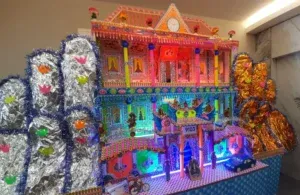
Food, incense, and joss paper are offered as symbolic provisions for loved ones in the afterlife.
In Malaysia, where burial grounds range from traditional Chinese cemeteries to modern memorial parks and columbariums, Qingming remains an important annual ritual.
What to Do During Qing Ming?
If you are wondering what to do during Qing Ming, here is a practical guide tailored to Malaysian customs.
1. Clean the Ancestral Grave
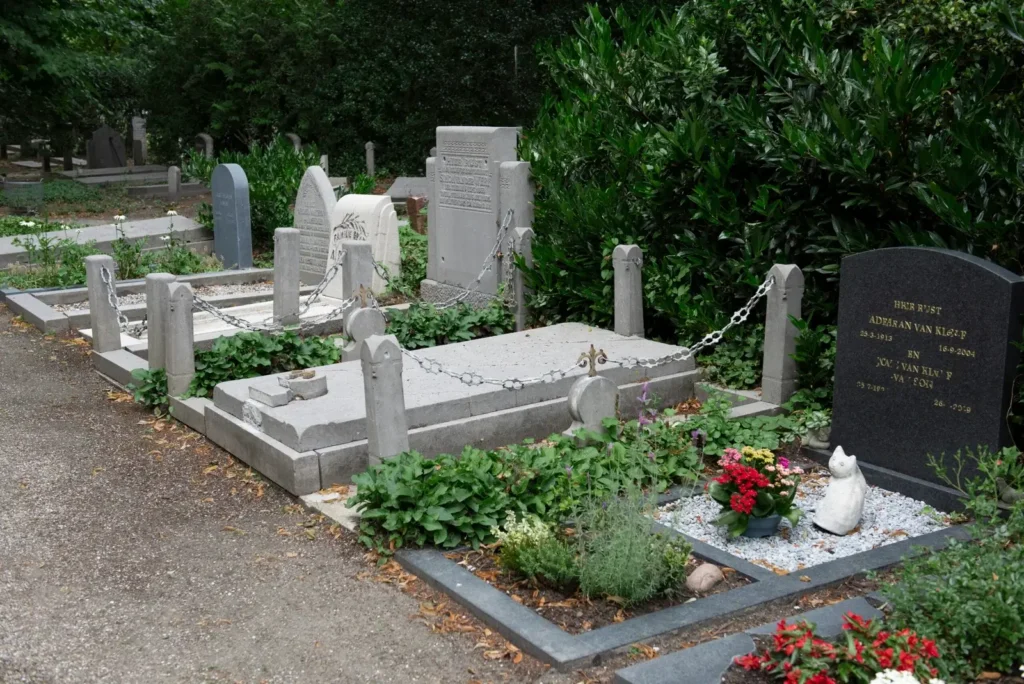
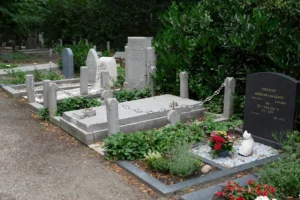
Tomb sweeping is the core activity of Qingming. Families typically:
-
- Remove weeds and fallen leaves
- Clean the tombstone
- Repaint faded inscriptions
- Repair minor cracks
- Clear surrounding debris
In Malaysia’s tropical climate, graves may accumulate moss and overgrowth quickly, making annual maintenance especially important.
For elderly family members or those living overseas, professional grave cleaning services are increasingly common in Malaysia.
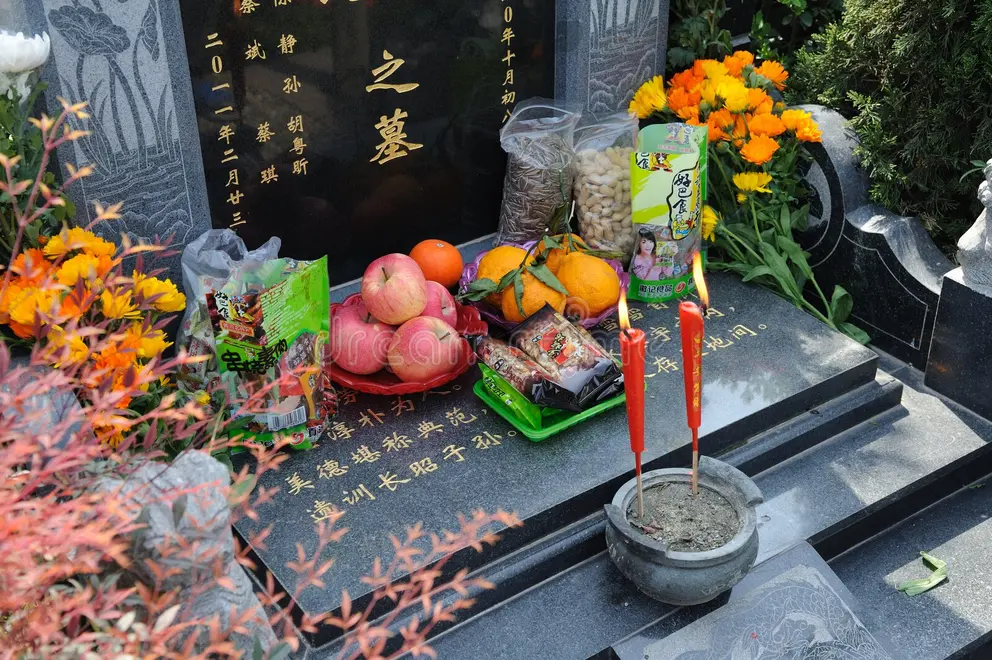
2. Offer Food and Incense
Common Qingming offerings in Malaysia include:
-
- Fruits such as oranges and apples
- Roast chicken or pork
- Traditional kuih and biscuits
- Tea, Chinese wine, or rice wine
After prayers, some families consume the food together as a symbolic act of sharing with ancestors.
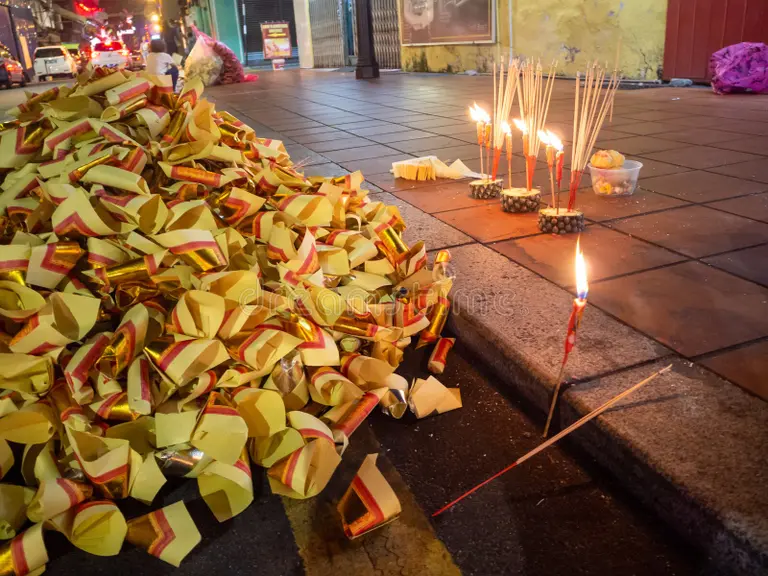
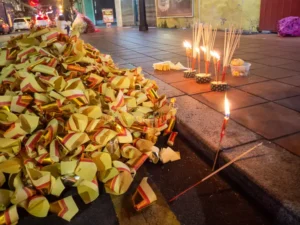
Always follow cemetery or memorial park regulations regarding incense burning and joss paper offerings, as some locations restrict open burning for environmental and safety reasons.
3. Perform Prayers and Rituals
Family members light incense and bow, typically three times. Elders usually lead the prayer ritual, though practices may vary between dialect groups (Hokkien, Cantonese, Teochew, Hakka).
4. Family Gathering
Many families in Malaysia combine Qingming with a family meal afterward. This reinforces unity and allows younger generations to learn about their ancestry and family history.
What Are the Do’s and Don’ts of Qing Ming?
Observing proper Qingming etiquette ensures respect for both your ancestors and other families at the cemetery.
Do’s of Qingming Festival
-
- Do Visit During Daytime
Morning to early afternoon is considered the most appropriate time. - Do Dress Appropriately
Choose subdued colours and avoid flashy attire. - Do Maintain a Respectful Attitude
Avoid loud arguments or inappropriate behavior at the cemetery. - Prepare Fresh Offerings
Ensure food and fruits are clean and neatly arranged. - Do Follow Cemetery Regulations
Malaysian memorial parks may have specific rules about burning offerings.
What Should You Not Do During Qing Ming?
-
- Do Not Wear Bright Red Clothing
Red symbolizes celebration and joy, which is inappropriate for mourning contexts. - Do Not Step on Other Graves
This is seen as disrespectful to other families’ ancestors. - Do Not Take Photos Casually
Avoid selfies or casual photography in cemeteries unless necessary. - Do Not Speak Disrespectfully About the Deceased
Maintain solemnity throughout the visit. - Avoid Visiting at Night
Traditionally believed to carry negative spiritual energy.
While some taboos stem from traditional beliefs, maintaining decorum is universally respected across Malaysian Chinese communities.
What Color to Wear for Qing Ming?
If you are unsure what color to wear for Qing Ming, here are general guidelines:
Recommended Colors:
-
- Black
- White
- Grey
- Dark blue
- Muted tones
These colors reflect solemnity and respect.
Colors to Avoid:
-
- Bright red
- Neon shades
- Flashy prints
In Malaysia’s warm climate, breathable, modest attire is advisable. Avoid overly casual outfits such as singlets or very short pants. The goal is to dress respectfully, similar to attending a memorial service.
Qingming Festival Practices in Malaysia
While Qingming customs originate from China, Malaysian practices have localized adaptations:
1. Early Weekend Visits (Pre-Qingming Weekend)
As Qingming is not a public holiday in Malaysia, many families visit graves on the weekend before or after the actual date.
2. Columbarium Visits
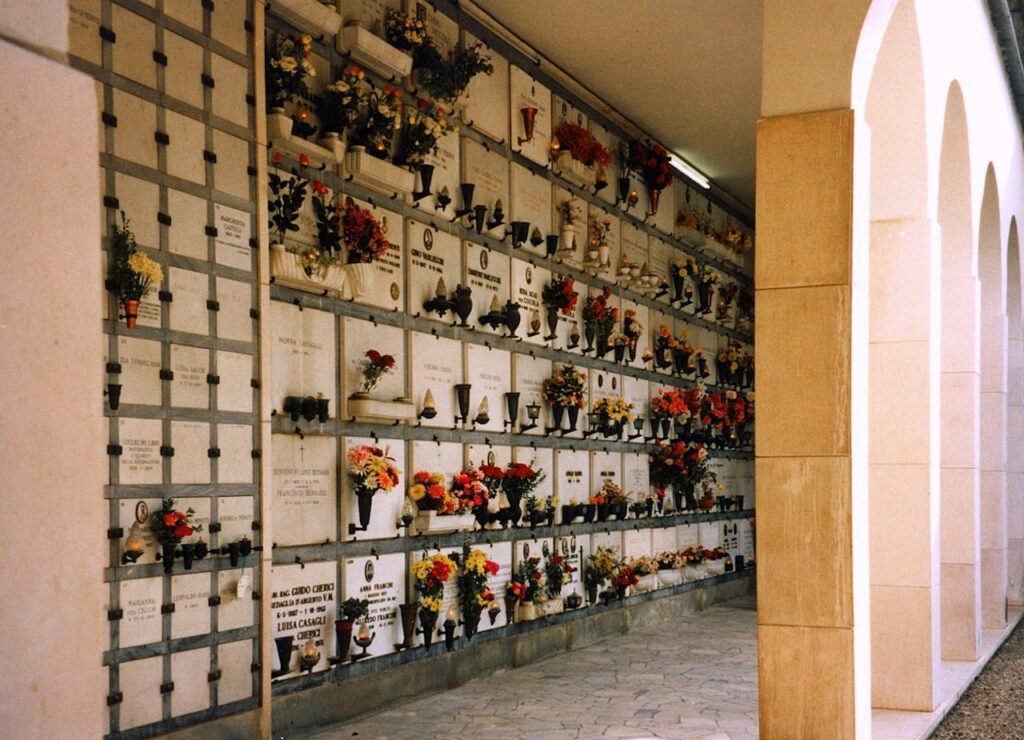
With increasing urbanisation in Kuala Lumpur, Petaling Jaya, and Selangor, more families now visit columbariums during Qingming, as cremation and columbarium services become more common in urban areas.
3. Environmental Awareness
Modern memorial parks may restrict open burning to reduce air pollution. Families may use designated burners or opt for simplified offerings.
Funeral service providers in Malaysia often assist families with grave cleaning, maintenance, and Qingming preparation services, especially for those living overseas.
The Modern Relevance of Qingming Festival
In today’s fast-paced Malaysian society, Qingming continues to serve as:
-
- A reminder of family roots
- A time for reflection and gratitude
- A way to preserve Chinese cultural traditions
As burial practices evolve, including cremation and columbarium placement, the core value of Qingming remains unchanged: honoring those who came before us.
Professional funeral service providers play a crucial role in maintaining dignified memorial spaces, ensuring families can observe Qingming smoothly and respectfully.
Conclusion
Qingming Festival is more than a yearly ritual; it is a meaningful expression of remembrance, gratitude, and family unity. Understanding what to do during Qing Ming, the do’s and don’ts, appropriate Qingming clothing colors, and the deeper significance of Qingming allows Malaysian families to observe the festival properly.
For families who require assistance with grave maintenance, memorial services, or pre-planning arrangements, working with an experienced and compassionate funeral service provider ensures that traditions are upheld with dignity and care.
By preserving Qingming traditions, we not only honor our ancestors but also pass on cultural values to future generations.
Frequently Asked Questions
1. Is Qingming a Public Holiday in Malaysia?
No, Qingming is not a nationwide public holiday. However, some families take leave to observe it.
2. Can Pregnant Women Attend Qingming?
Traditionally, some believe pregnant women should avoid cemetery visits due to yin energy. However, this is a cultural belief rather than a medical rule. Families may decide based on personal comfort and beliefs.
3. How Long Is Qingming Observed?
The main observance is one day, but visits can occur within a 10-day window before or after the actual date.
4. What if I cannot return to Malaysia during Qingming?
You may arrange for relatives or professional grave cleaning services to perform basic maintenance and prayers on your behalf.