Key Takeaways
- The main difference between a Buddhist and Taoist funeral lies in their spiritual focus.
- Buddhist funerals are typically simpler, with calm sutra chanting led by monks and minimal symbolic rituals.
- Taoist funerals are more elaborate, involving priest-led ceremonies, musical instruments, paper offerings, and complex rites such as the “Breaking of the Hell Gates.”
- Taoist funerals in Malaysia commonly last 3, 5, or 7 days, while Buddhist funerals usually last 2 to 3 days.
- Post-funeral observances also differ, with Taoist rites structured around spirit-return beliefs and Buddhist rites centred on the 49-day rebirth cycle.
In the multicultural landscape of Malaysia, particularly within the Chinese community, funeral rites are deeply significant. When a loved one passes away, families often ask: What is the difference between a Buddhist and Taoist funeral?
While both traditions are common among Chinese families, yet their rituals, chanting practices, symbolism, and funeral duration differ significantly.
Understanding the differences between Buddhist and Taoist funeral customs helps families choose the correct religious rites, avoid ritual confusion, and ensure the funeral aligns with the deceased’s beliefs.
Introduction to Chinese Funeral Traditions
When a loved one passes away, the choice of funeral rite often depends on the deceased’s personal faith or the family’s heritage. In Malaysia, many people identify as “Buddhist” while practicing “Taoist” ancestral worship, leading to confusion.
However, when it comes to the final send-off, the rituals diverge. One focuses on the liberation of the soul through peace and meditation, while the other focuses on the journey of the soul through the afterlife via complex rituals and deity intervention.
What Is the Difference Between Taoist and Buddhist Belief?
Before comparing funeral rituals, it is important to understand the difference between Taoist and Buddhist beliefs.
Buddhism
Buddhism focuses on karma, rebirth, and attaining enlightenment. The emphasis is spiritual purification and detachment. Funeral rites are centred on:
- Chanting sutras to guide the soul
- Accumulating merit for the deceased
- Helping the spirit transition peacefully to the next life
Taoism
Taoism is rooted in harmony with nature and the Tao (the Way). Taoist funerals are often more ritualistic and ceremonial compared to Buddhist funerals. Taoist funeral rituals focus on:
- Balancing cosmic energies
- Protecting the soul from negative forces
- Performing rituals to open the gates of the afterlife
- Appeasing deities and spirits
How Do Buddhists Conduct Funerals?
In contrast, Buddhist funerals are generally more solemn, quiet, and meditative. There is a heavy emphasis on the chanting of scriptures (sutras) by monks or nuns. The primary goal is to create a peaceful environment that encourages the soul to let go of worldly attachments.
Unlike Taoist ceremonies, there is rarely any “theatrical” ritual or the burning of paper houses. Instead, the focus is on “Dana” (giving) and “Metta” (loving-kindness). The decorations are usually simpler, often featuring yellow and white fabrics, and a statue of Buddha is placed at the funeral altar. The chanting serves to remind the deceased and the grieving family of the impermanence of life.
How Do Taoists Conduct Funerals?
Taoist ceremonies are known for being elaborate, rhythmic, and highly structured.
The ceremony is led by a Taoist priest (often referred to as Nam Mo Loh in Cantonese). These priests use musical instruments like cymbals, gongs, and woodblocks to communicate with the spiritual realm. A central part of the Taoist funeral is the “Breaking of the Hell Gates.” This dramatic ritual involves the priest jumping over fire or breaking tiles, symbolizing the rescue of the deceased’s soul from the underworld.
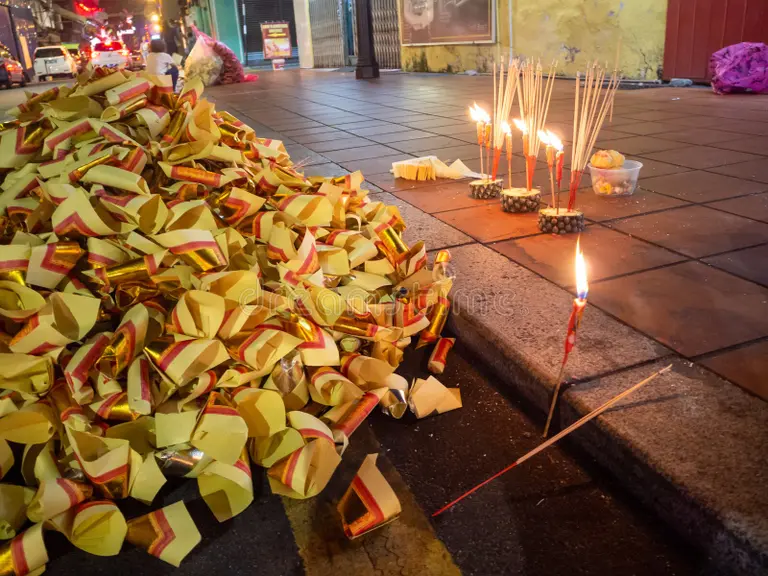
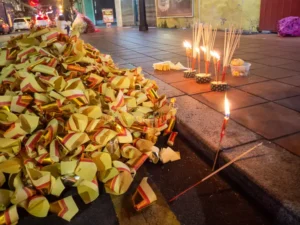
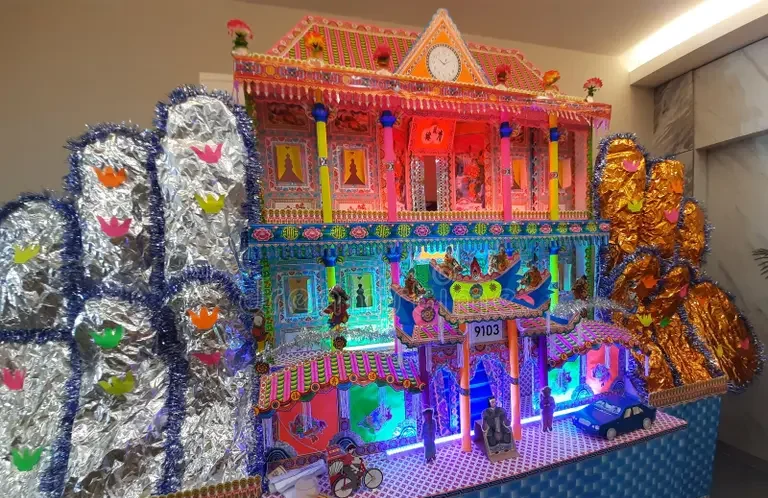
Furthermore, Taoist funerals involve significant use of paper offerings. Families burn elaborate paper houses, cars, “hell bank notes,” and servants. This is based on the belief that the deceased requires these items to live comfortably in the afterlife.
How Long Do Taoist Funerals Last?
Timeline is another area of distinction. In Malaysia, Taoist funerals typically last 3, 5, or 7 days. The odd number represents the “Yang” (living) energy, as even numbers are associated with “Yin” (completeness/the dead).
The duration depends on:
- Family budget
- Religious consultation
- Auspicious dates
- Social status of the deceased
Longer Taoist funerals allow for more ritual ceremonies, including multiple prayer sessions and soul-calling rites. The final night is usually the most intense, featuring the most complex rituals and lasting late into the night. Following the burial or cremation, there are subsequent observation periods on the 7th day, 49th day, and 100th day.
In contrast, Buddhist funerals in Malaysia commonly last 2 to 3 days. They are usually simpler and more focused on chanting sessions rather than elaborate ritual performances.
Key Differences Between Buddhist and Taoist Funeral Customs
Below is a clear comparison of the differences between Buddhist and Taoist funeral customs, helping families understand what is the difference between a Buddhist and Taoist funeral in terms of rituals, symbolism, and religious practices.
| Aspect | Buddhist Funeral | Taoist Funeral |
| Religious Leaders | Conducted by Buddhist monks | Conducted by Taoist priests |
| Focus of Ritual | Merit transfer, karma purification, and guidance for rebirth | Protection of the soul, exorcism of negative forces, and restoring cosmic balance |
| Chanting Style | Calm, meditative sutra chanting focused on spiritual liberation | Ritual chanting with instruments, symbolic movements, and ceremonial recitations |
| Paper Offerings | Minimal joss paper burning; emphasis on spiritual merit rather than material goods | Extensive burning of paper houses, cars, gold bars, servants, and symbolic items for the afterlife |
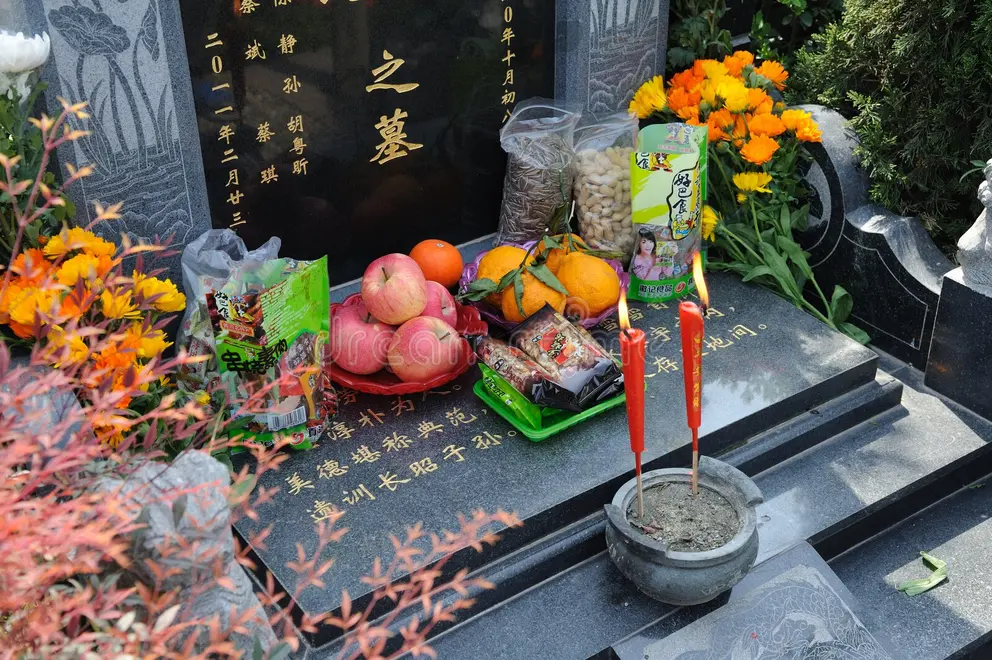
| Food & Offerings | Strictly vegetarian (to avoid taking life and creating bad karma) | Often includes “Sam Sang” (three meats: usually pork, chicken, and fish) and fruit/wine to appease deities. |
| Funeral Atmosphere | Solemn, peaceful, and spiritually reflective | Highly ritualistic, symbolic, and visually ceremonial |
| Overall Complexity | Generally simpler and more structured around chanting sessions | More elaborate, involving multiple rituals, altar ceremonies, and priest-led rites |
Spiritual Philosophy Behind the Rituals
The difference between the two funerals ultimately reflects different spiritual philosophies.
Buddhist Perspective on Death
Buddhism views death as a transition in the cycle of samsara (rebirth). The goal is peaceful transition. Funeral chanting focuses on:
- Reducing suffering
- Letting go of attachment
- Generating merit for better rebirth
Taoist Perspective on Death
Taoism sees death as a transformation of energy. The goal is protection and cosmic order. Rituals aim to:
- Harmonise yin and yang
- Guide the soul through spiritual realms
- Prevent restless spirits
Can a Funeral Combine Both Taoist and Buddhist Elements?
In Malaysia, it is common for families to combine elements of both traditions, especially when:
- The deceased followed mixed beliefs
- Family members practise different faiths
- Cultural customs overlap
However, combining rituals should be done carefully under guidance from experienced funeral directors to prevent conflicting rites.
Which Funeral Is More Expensive?
Generally, Taoist funerals cost more due to elaborate rituals, priests, instruments and paper offerings. Buddhist funerals tend to be more modest and chanting-focused.
However, costs ultimately depend on:
- Venue (home wake or memorial hall)
- Number of days
- Casket selection
- Burial or cremation choice
Families should prioritise religious alignment over complexity.
Final Thoughts: Choosing Between a Buddhist and Taoist Funeral
In summary, Buddhist funerals focus on merit, rebirth and peaceful chanting. In contrast, Taoist funerals focus on ritual protection, cosmic balance and ceremonial guidance. Also, Taoist funerals are typically longer and more elaborate while Buddhist funerals are usually simpler and spiritually meditative.
Understanding these differences between Buddhist and Taoist funeral customs ensures that families honour their loved ones correctly and respectfully.
If you are unsure which rites are appropriate, consult an experienced funeral service provider who understands both Buddhist and Taoist traditions in Malaysia.