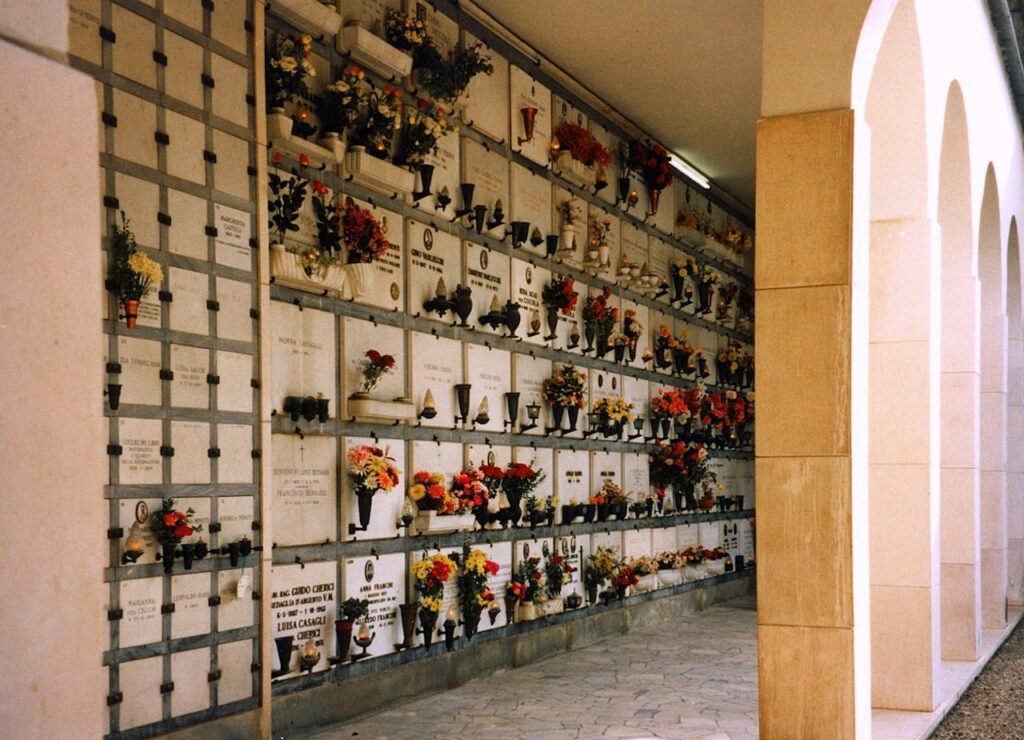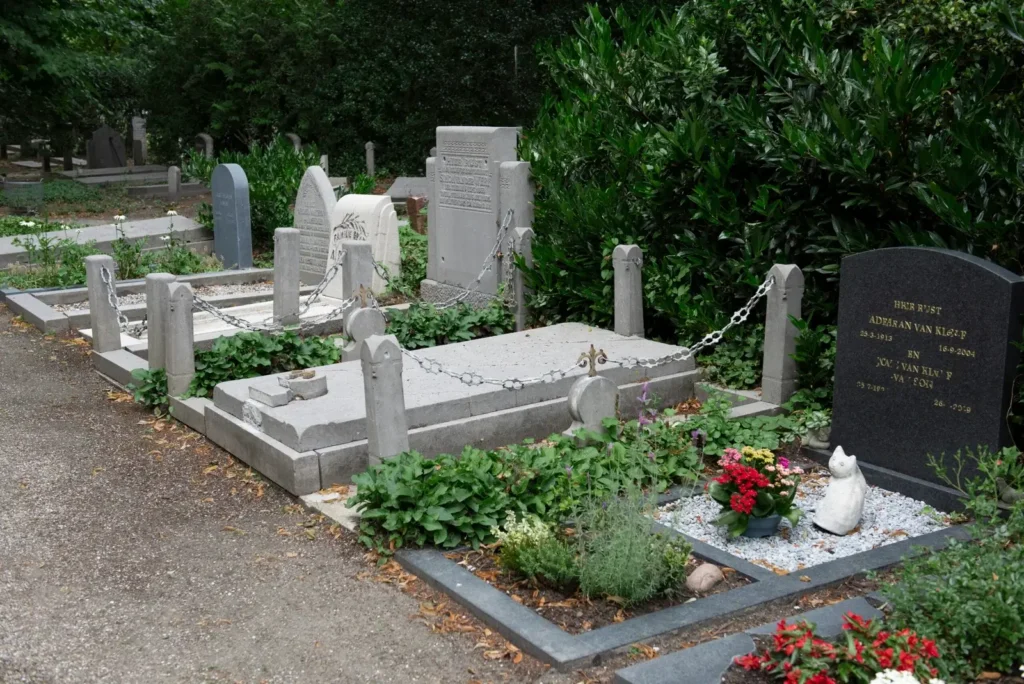
Cemeteries are more than final resting places. They are living records of a city’s past. Beyond their function as burial grounds, cemeteries preserve records of migration, religious beliefs, and social history.
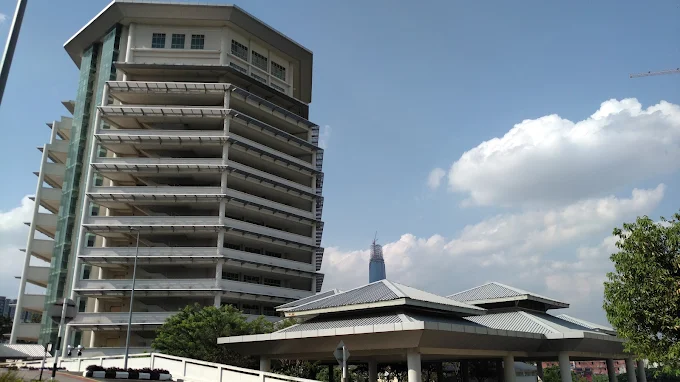
Many of the oldest cemeteries in Kuala Lumpur were established during the 19th century, providing insight into how different communities honored their deceased while shaping the development of the city. Among these historical burial grounds is Kwong Tong Pagoda, which later became one of the most significant Chinese cemeteries in Kuala Lumpur due to its scale, age, and continued cultural relevance.
Key Takeaways
- Kwong Tong Cemetery is one of the oldest and largest cemeteries in Kuala Lumpur, serving the Chinese community for more than a century.
- The cemetery was established in 1895 by the Kwong Tong Chinese Association to provide proper burial grounds for early Chinese settlers.
- Kwong Tong Cemetery spans an estimated area of over 300 acres, making it one of the largest Chinese cemeteries within Kuala Lumpur city.
- Traditional Chinese funeral customs, ancestral worship practices, and feng shui principles continue to be observed throughout the cemetery.
- Located in northern Kuala Lumpur near Jalan Kuching, the cemetery remains accessible despite surrounding urban development.
- Ongoing preservation efforts focus on maintaining historical records and respecting cultural heritage amid city expansion.
Introduction to Kwong Tong Cemetery in Kuala Lumpur
Kwong Tong Cemetery is widely known as the oldest cemetery in Kuala Lumpur and is also recognized by many as the largest cemetery in Kuala Lumpur serving the Chinese community. This Chinese cemetery in Kuala Lumpur has existed for more than a century and remains a major Kuala Lumpur burial ground for ancestral remembrance. When people search for information about a historical burial site in the capital city, Kwong Tong Cemetery is often the first name mentioned.
As an important Chinese cemetery in Kuala Lumpur, it reflects the early development of the city and the cultural values of Chinese settlers. Today, Kwong Tong Cemetery continues to attract families, researchers, and funeral service providers who want to understand the roots of burial traditions in Kuala Lumpur.
Historical Background of Kwong Tong Cemetery
Kwong Tong Cemetery was established in 1895, making it one of the earliest Chinese cemeteries in Kuala Lumpur. During that period, Kuala Lumpur was experiencing rapid growth due to tin mining and trade. Many Chinese immigrants settled in the area, forming clans and associations to support their communities, including providing proper burial grounds according to traditional beliefs.
The cemetery was founded by the Kwong Tong Chinese Association, which represented migrants from Guangdong province in China. At that time, traditional Chinese culture placed great importance on proper burial practices, feng shui, and ancestral respect. Having a dedicated cemetery ensured that community members could be laid to rest according to their customs.
Over the decades, Kwong Tong Cemetery expanded significantly in size, becoming one of the largest Chinese cemeteries in the Klang Valley. It contains graves that date back more than a century, offering a rare historical record of early Chinese life in Kuala Lumpur.
Largest Cemetery in Kuala Lumpur by Size and Burial Capacity
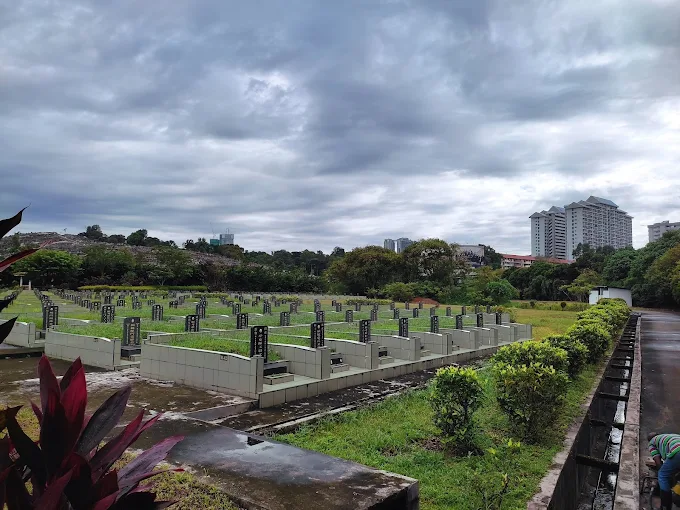
Kwong Tong Cemetery covers a vast area of land located in the northern part of Kuala Lumpur. The estimated Kwong Tong Cemetery size exceeds 300 acres of land, stretching across hilly terrain near Jalan Kuching. Due to its size and the thousands of graves within its grounds, it is often referred to as the largest Chinese cemetery in Kuala Lumpur.
The cemetery includes graves from different eras, ranging from simple early burial plots to elaborate tombs reflecting the social status of the deceased. Some graves belong to prominent figures who contributed to the development of Kuala Lumpur in business, politics, and community leadership.
Its large scale also reflects the long history of Chinese settlement in Kuala Lumpur. Few cemeteries in the city match Kwong Tong Cemetery in terms of land size, historical depth, and number of burials.
Cultural and Religious Significance of Kwong Tong Cemetery
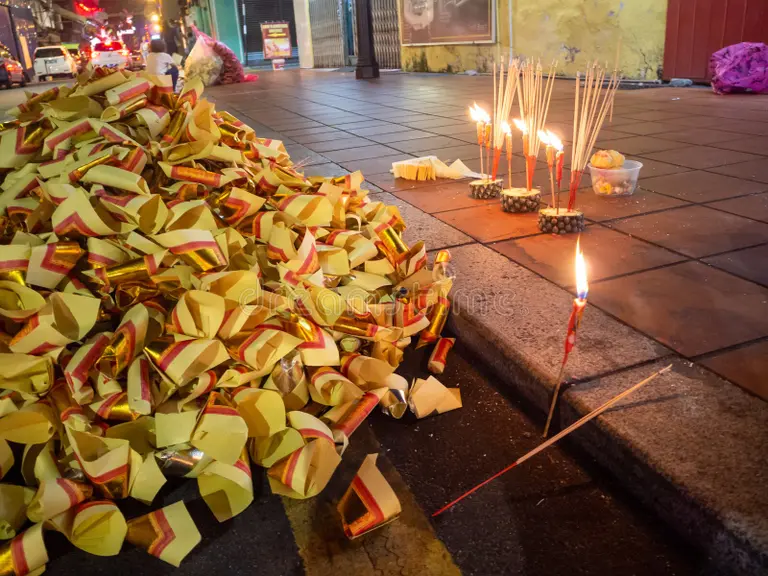
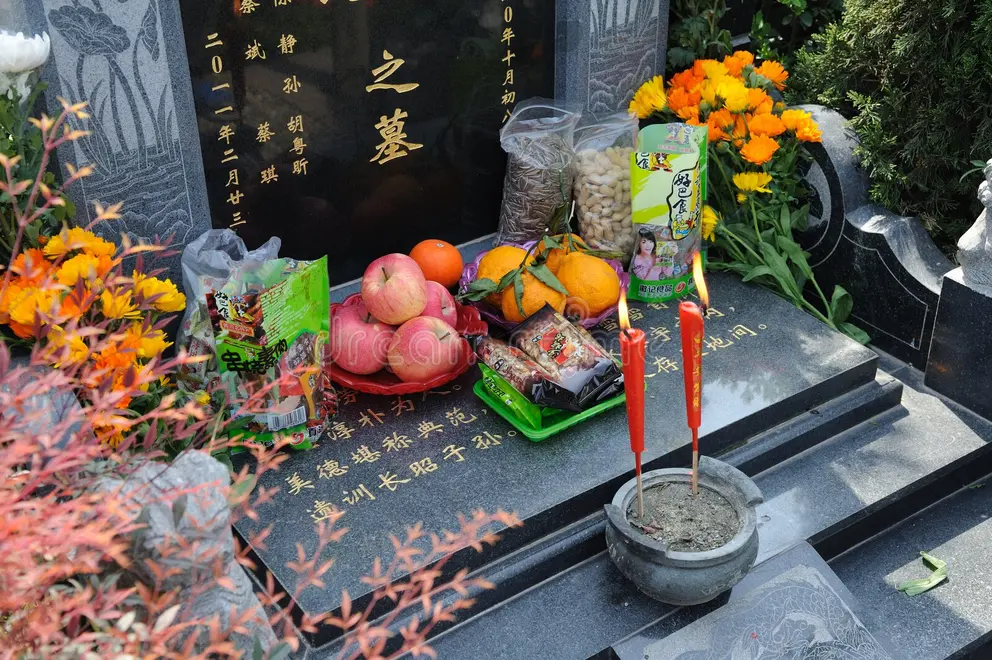
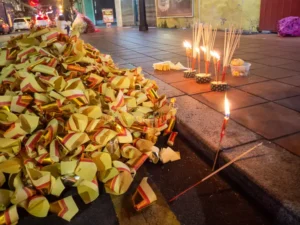
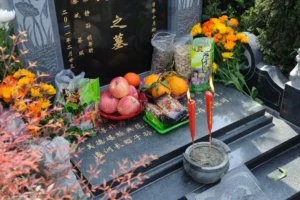
Kwong Tong Cemetery plays an essential role in preserving traditional Chinese funeral customs in Kuala Lumpur. Many families visit the cemetery during Qing Ming Festival to clean graves, offer prayers, and honor their ancestors. These rituals demonstrate Chinese ancestral worship, which strengthens family bonds and keeps cultural traditions alive.
The layout of the graves often follows traditional feng shui principles, which emphasize harmony with nature and spiritual balance. Hills, orientation, and surrounding landscape are carefully considered, reflecting deep-rooted Chinese beliefs about the afterlife.
For many families, choosing Kwong Tong Cemetery is not only about location but also about maintaining ancestral continuity. The cemetery represents respect for heritage, elders, and spiritual values that remain important even in modern Kuala Lumpur.
Location and Accessibility of Kwong Tong Cemetery
Kwong Tong Cemetery is strategically located within Kuala Lumpur city. As a centrally located burial site in Kuala Lumpur, it remains accessible for families from different parts of the city. Its location near major roads allows visitors to reach the cemetery relatively easily compared to older burial grounds that were once remote.
The natural surroundings within Kwong Tong Cemetery help preserve a calm setting for remembrance. Tree-lined paths, open spaces, and hillside views create an environment that supports reflection and memorial visits. The scale of the cemetery allows visitors to experience a quieter atmosphere compared to many other urban burial sites, even as development continues around the area.
For funeral service providers and families arranging burials or memorial visits, accessibility is an important factor. Kwong Tong Cemetery continues to serve the community due to its central location and established management.
Modern Challenges and Preservation Efforts
As Kuala Lumpur continues to grow, land scarcity has become a major issue. Kwong Tong Cemetery has faced challenges related to urban development, relocation discussions, and preservation concerns. Despite these challenges, efforts have been made to document graves, protect historical records, and maintain respect for the deceased.
Preservation of Kwong Tong Cemetery is important not only for cultural reasons but also for historical research. The cemetery contains valuable information about early migration patterns, family lineages, and community development in Kuala Lumpur.
Funeral service providers, historians, and cultural organizations continue to advocate for respectful management of the cemetery while adapting to modern needs.
Role of Funeral Services in Kuala Lumpur for Kwong Tong Cemetery Burials
Handling funeral arrangements involving historical cemeteries like Kwong Tong Cemetery requires experience, sensitivity, and knowledge of cultural practices. Families often need guidance on burial procedures, documentation, rituals, and coordination with cemetery management.
Families seeking Kwong Tong Cemetery burial services benefit from structured planning and cultural sensitivity. Professional funeral planning in Kuala Lumpur ensures that traditions are honored while also complying with modern regulations. This is especially important when dealing with older cemeteries that have specific rules and cultural expectations.
Conclusion: Why Kwong Tong Cemetery Remains a Landmark in Kuala Lumpur
Kwong Tong Cemetery stands as a powerful symbol of Kuala Lumpur’s history, Chinese heritage, and ancestral respect. As one of the oldest and largest cemeteries in Kuala Lumpur, it continues to hold deep meaning for families and the wider community.
From its origins in the 19th century to its role in modern Kuala Lumpur, the cemetery reflects the journey of generations who helped shape the city. Despite urban challenges, its cultural and historical importance remains undeniable.
For anyone researching Chinese cemeteries, burial traditions, or funeral services in Kuala Lumpur, Kwong Tong Cemetery remains a key landmark worth understanding and preserving.